
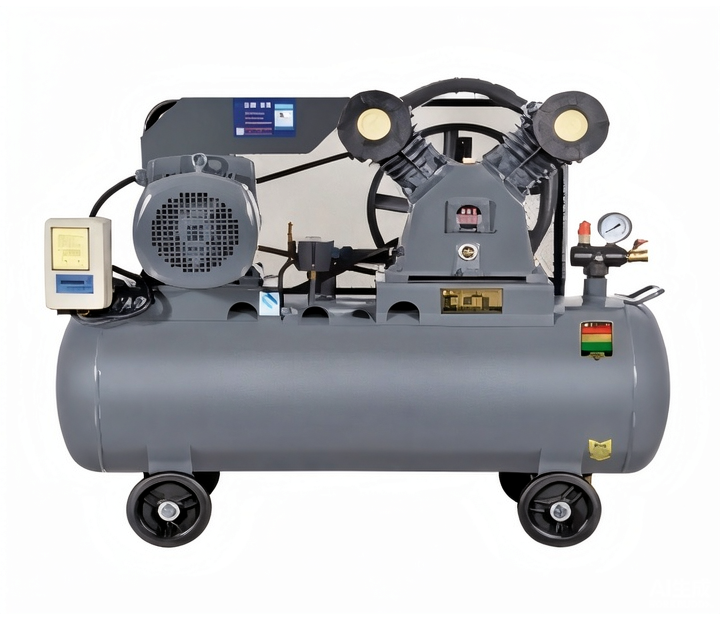
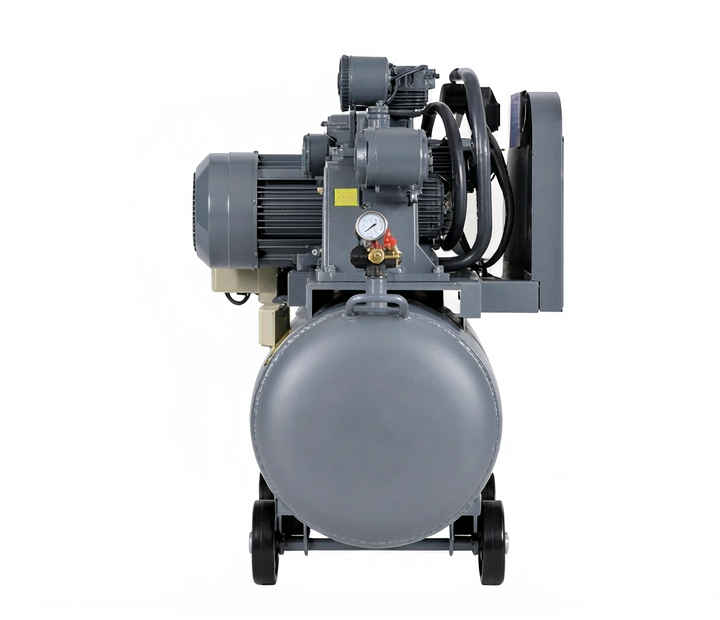
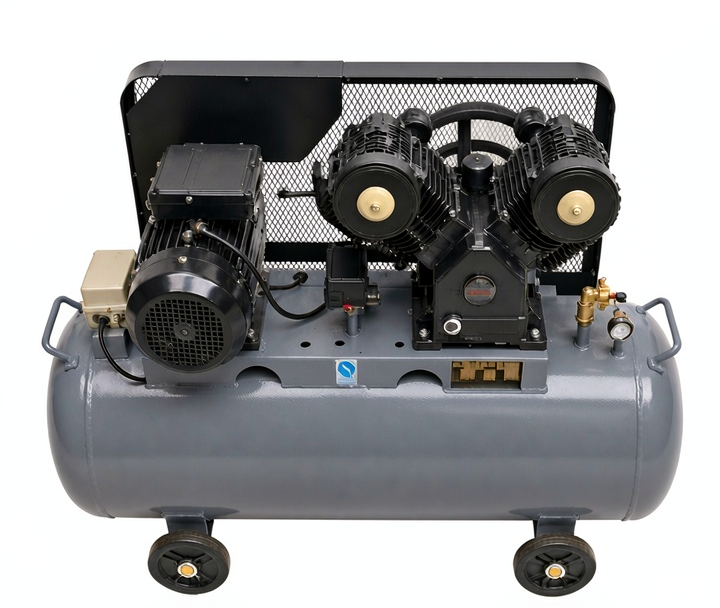
Belt Driven Piston Air Compressor Myths Busted
We break down popular myths around belt-driven piston air compressors. Learn its suitable scenarios, maintenance routine and advantages vs rotary screw compressors for your workshop.
Belt-driven piston air compressors are not obsolete. Auto shops, woodworking operations, fabrication contractors, and plants still rely on them as workhorse equipment. Your doubts likely come from a few persistent myths about cast iron pumps, tank sizing, pressure settings, and duty cycle. The facts favor these units when you match them to the job. Each section below pairs one myth with the reality, so you can jump straight to the concern that matters most to you.
If you are searching for clear, practical guidance, this blog is built to generate a 1200-word American English blog that walks through the most common misconceptions one by one. Think of it as your starting framework: a full-length, plain-spoken article that separates rumor from real-world performance. The goal is simple—give you enough detail to evaluate a belt-driven piston compressor with confidence, whether you are outfitting a small garage or adding capacity to an established shop floor.
Myth #1: Cast iron pump heads are outdated technology. Reality: cast iron remains one of the most durable materials for pump cylinders and heads. It handles heat well, resists wear, and holds up under continuous cycling far better than many lightweight alternatives. A V-type two-cylinder cast iron pump head, for example, is a proven design that delivers steady airflow and long service life when maintained properly. The weight of cast iron is often cited as a drawback, but that mass also helps dampen vibration and stabilize operation. In practice, shops that run their compressors daily report that a well-built cast iron pump outlasts cheaper units by years.
Myth #2: Tank size does not matter as long as the pump is strong. Reality: tank volume and pump output work together. The tank acts as a buffer, storing compressed air so the motor does not have to run constantly. A small tank paired with a high-output pump can cycle too frequently, which adds wear. A larger tank smooths out demand spikes and lets the motor rest between cycles. The right balance depends on your tools and usage patterns. For light intermittent work, a compact tank is fine. For tasks that draw steady air, a larger reservoir keeps pressure stable and extends motor life.
Myth #3: Higher pressure settings always mean better performance. Reality: pressure ratings must match what your tools actually need. Running a compressor at its maximum working pressure all the time increases heat, strain, and energy use without improving results. Most shop tools are designed to operate within a defined pressure range, and exceeding it can shorten tool life. A properly set safety valve and a sensible restart pressure keep the system in a safe, efficient band. The smart approach is to set pressure to the task, not to the ceiling of the gauge.
Myth #4: Piston compressors cannot handle a real duty cycle. Reality: duty cycle describes how long a compressor can run within a given period, and belt-driven piston units are built for substantial workloads when sized correctly. The key is matching rated displacement and motor power to the demand of your tools. A unit with generous displacement and a robust pump head can keep up with repeated cycling throughout the workday. Belt drive also adds a layer of protection, since the belt absorbs shock and is easy to service. With routine maintenance—oil changes, filter checks, and belt inspection—these compressors deliver dependable service for years.
Myth #5: Belt drive is less efficient than direct drive. Reality: belt drive offers practical advantages that often outweigh small efficiency differences. The belt isolates the motor from pump vibration, reduces shock loads, and makes repairs simpler and less expensive. If a belt wears out, you replace it quickly instead of servicing a sealed motor-pump assembly. Belt-driven units also tend to run cooler and quieter in many configurations. For shops that value serviceability and long-term reliability, belt drive is a smart choice.
Myth #6: Noise levels make piston compressors impractical for small shops. Reality: noise is a real consideration, but it is manageable. Sound levels vary by model and power rating, and placement matters as much as the machine itself. Positioning the compressor away from workstations, using vibration-isolating pads, and keeping the unit well maintained all help control noise. Many small operations run piston compressors comfortably by planning placement and scheduling heavy air use around quieter tasks.
Myth #7: Maintenance is complicated and costly. Reality: routine care for a belt-driven piston compressor is straightforward. Check the oil, inspect the belt, clean or replace the intake filter, and drain the tank regularly. These simple steps prevent most problems and keep performance steady. Because the design is accessible, most maintenance can be handled in-house without specialized tools. That ease of service is one reason these compressors remain popular in busy shops.
Myth #8: Modern compressors have made piston models irrelevant. Reality: different compressor types serve different needs. Rotary screw and scroll units have their place, especially in high-volume continuous operations. But for intermittent-to-moderate demand, belt-driven piston compressors remain cost-effective, easy to service, and highly capable. They excel in auto shops, woodworking, fabrication, and general plant use where flexibility and straightforward maintenance matter more than round-the-clock output.
The bottom line: judge a belt-driven piston air compressor by how well it matches your workload, not by outdated assumptions. Look at pump construction, tank volume, pressure settings, and duty cycle together. When those pieces fit your job, these compressors deliver reliable performance and strong value. Use this guide as the foundation for a full-length article, and expand each section with your own examples, tool lists, and shop scenarios to reach a complete, reader-friendly piece.
Key Takeaways
- Match the compressor to your workload by checking air volume (CFM) at the pressure your tools need.
- Set the pressure to the task, not to the maximum, to save energy and extend tool life.
- Perform simple maintenance like oil checks and belt inspections to keep the compressor running reliably.
Myth: Cast Iron Pumps Are Overkill
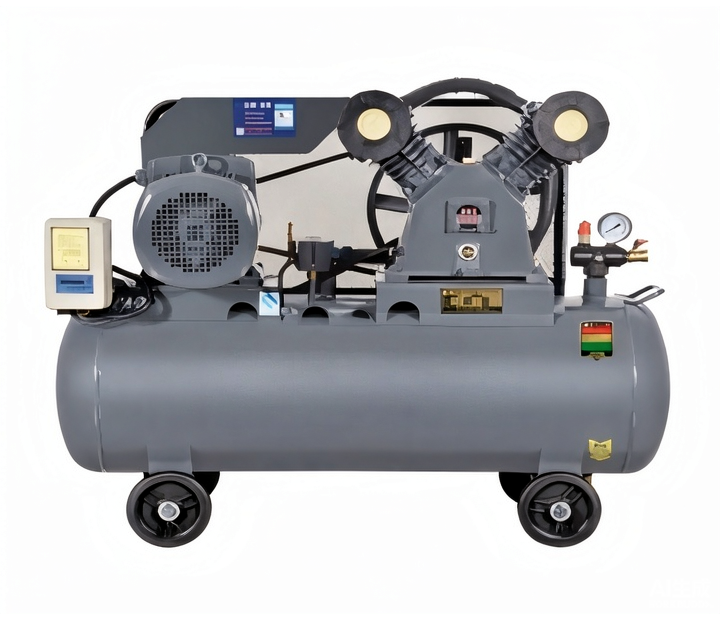
You have probably heard the claim that a cast iron pump is more metal than any small shop needs. The opposite holds true. Cast iron is the reason many belt-driven piston compressors keep working long after lighter units have been replaced.
What a Belt-Driven Piston Compressor Actually Is
A belt-driven piston compressor uses an electric motor to spin a pulley. A belt carries that power to a separate pump, where pistons move up and down inside cylinders. The pump draws in air, compresses it, and pushes it into a receiver tank. This split design separates the motor from the pump, so each part runs in its own comfortable range. The pump head is the heart of the machine, and its material decides how long the unit lasts.
Why Cast Iron Pumps Outlast Aluminum
Cast iron resists wear at the cylinder walls. It holds its shape under load and handles the friction of constant piston movement. Aluminum pumps are lighter and cost less, and they suit light, occasional tasks well. A cast iron pump head, such as the V-type two-cylinder design, gives you thicker walls and tighter tolerances. Those qualities translate into thousands of extra running hours before a rebuild.
Heat Dissipation and Rebuildability
Compressed air generates heat, and heat shortens pump life. Cast iron absorbs heat and spreads it across a large surface, so the pump runs cooler during long cycles. Cast iron also accepts repair. You can hone a worn cylinder, fit new rings, and replace bearings instead of scrapping the whole pump. That rebuild path protects your investment and keeps a proven machine in service.
Myth: A Bigger Tank Is Always Better
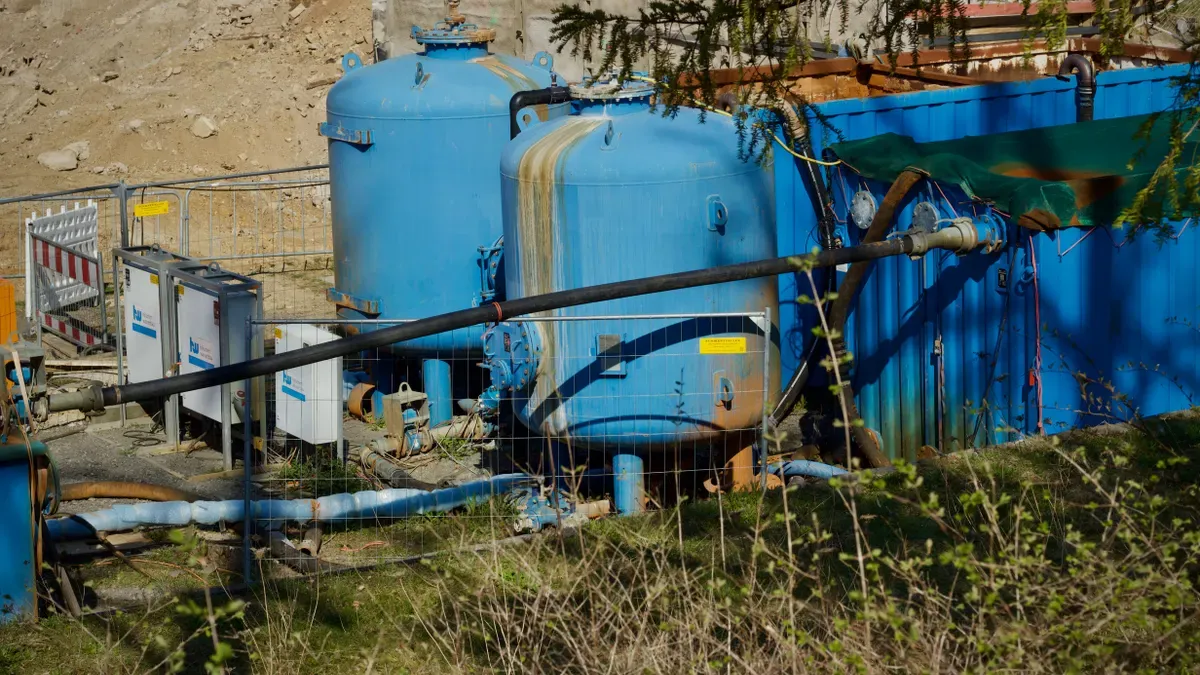
A large tank looks impressive on the showroom floor. It does not automatically improve your air system. Tank volume must fit your tools and your work rhythm.
What the Air Receiver Tank Really Does
The receiver tank stores compressed air and smooths out demand spikes. Your pump fills the tank, and the tank feeds your tools. This buffer lets the motor rest between cycles instead of running nonstop. The tank also cools the air and drops moisture out before the air reaches your lines. Think of the tank as a reserve, not a substitute for pump output.
Sizing the Tank to Your Air Demand
Match tank volume to how much air you draw and how fast you draw it. A spray gun or impact wrench pulls air in short bursts, so a moderate tank absorbs each burst well. Continuous demand from sanders or plasma cutters needs a tank large enough to keep pressure steady between pump cycles. Check the CFM rating of your tools at your working pressure. Then compare that figure with the pump’s rated displacement. A tank that is too small forces frequent cycling. A tank that is too large adds weight and cost without real benefit.
Signs Your Tank Is Mismatched
Listen to your compressor. Rapid start-stop cycling points to an undersized tank or an oversized pump. Pressure that sags during heavy tool use signals the opposite problem. You may also notice the motor running hot or the tank collecting excess water. Any of these signs means you should recheck the balance between tank volume, pump output, and your actual air demand.
Myth: Set the Pressure and Forget It
Many operators dial the regulator to the maximum and never touch it again. This habit wastes energy and shortens pump life. Pressure deserves regular attention.
How Pressure Regulation Affects Energy Use
Higher pressure demands more work from the motor. Every extra psi forces the pump to compress air harder and run longer. That extra effort shows up on your electric bill month after month. You also generate more heat, and heat accelerates wear on rings, valves, and bearings. A lower, task-appropriate setting cuts energy use and extends component life at the same time.
Setting Pressure for Tools and Pump Life
Check the manufacturer’s rating for each tool you run. Most shop tools perform best within a defined band, often well below the compressor’s maximum. Set your regulator to the lowest pressure that delivers full tool performance. This approach protects the tool, reduces strain on the pump, and keeps your safety valve and restart pressure working within their designed range. Adjust the setting when you switch tasks instead of leaving one high setting for everything.
Common Regulation Mistakes
Three errors appear again and again in busy shops. Running every tool at maximum pressure tops the list. Skipping the regulator adjustment after changing tools comes second. Ignoring pressure drop across long hose runs rounds out the group.
Set pressure to the task, not to the ceiling of the gauge.
A quick gauge check at the tool end confirms what your tools actually receive. That simple habit catches regulation problems before they cost you money.
Myth: Piston Compressors Can’t Run Long
You may hear that a piston compressor only suits short bursts of work. That claim confuses a duty cycle rating with a hard limit. A belt-driven piston unit handles substantial workloads when you size it to the job.
Reading Duty Cycle Ratings Correctly
A duty cycle rating tells you how long a compressor can run within a set period. Manufacturers express this figure as a percentage or a run-time window. A 50 percent rating at a ten-minute interval means five minutes of run time and five minutes of rest. Read the rating against the stated interval, not as a total daily limit. Belt-driven piston compressors typically carry ratings that support repeated cycling through a full workday.
Matching Duty Cycle to Your Workload
Track how your tools draw air across a typical shift. Short bursts from impact wrenches and nailers leave plenty of recovery time. Sanders and grinders pull steady air and demand a higher-rated unit. Compare your actual run pattern with the rating on the spec sheet. A generous pump displacement and a properly sized tank reduce run time per cycle. That combination keeps the motor within its rated band.
When Continuous Use Calls for a Different Design
Some operations never pause. A plant running multiple shifts at full demand needs a compressor built for nonstop service. Rotary screw models fit that scenario well, and they deliver steady output for round-the-clock duty. Piston units still shine in intermittent and moderate demand. Match the design to the workload, and each type performs at its best.
Duty cycle is a sizing guide, not a verdict on capability.
Myth: Horsepower Tells the Whole Story
Shoppers often scan a spec sheet, spot the horsepower number, and make a decision on that figure alone. This habit leads to mismatched equipment and disappointing performance. Horsepower describes the motor’s power input. It says nothing about how much air the machine actually delivers at the pressure your tools need. You need a fuller picture before you commit.
CFM and PSI: The Numbers That Matter
Air tools consume air volume, not motor power. Manufacturers rate that volume in cubic feet per minute, or CFM. Your impact wrench, spray gun, or sander carries a CFM requirement at a stated working pressure. That pair of numbers defines the real demand on your system.
PSI measures the pressure that pushes air through your lines. Most shop tools run within a defined pressure band, and many perform best well below a compressor’s maximum. A machine rated at 0.8 MPa working pressure delivers its stated displacement at that pressure. Check the CFM your tools need at your chosen PSI, then compare that figure with the pump’s rated displacement. A high horsepower rating paired with modest displacement will struggle to keep up. A well-matched pump delivers steady air at the pressure your work demands.
Consider a common example. A 1.5 kW unit in the 555 series delivers 170 L/min of rated displacement. A 7.5 kW unit in the same series delivers 900 L/min. The horsepower gap is fivefold. The displacement gap is more than fivefold. The larger machine earns its place through air volume, not through a badge on the motor.
Efficiency and Real-World Output
Spec sheets list ideal figures. Real shops introduce variables that change the math. Long hose runs drop pressure between the tank and the tool. Clogged filters restrict intake air. Worn belts slip and waste motor effort. Hot ambient conditions thin the air and reduce output. Each factor chips away at delivered performance.
Efficiency measures how well a compressor converts electrical input into usable air. Belt drive contributes here in practical ways. The belt absorbs shock loads and protects the motor from sudden demand spikes. A well-designed pump head with cast iron cylinders holds tight tolerances over years of service. That consistency preserves output as the machine ages. A cheaper unit may post similar numbers on day one. Its output often fades faster under daily use.
Track your actual air consumption across a typical shift. Note the tools you run, the pressure they need, and how long each one operates. This record tells you more than any single spec sheet figure. Size your compressor to that real demand, and add a margin for growth. The goal is steady pressure at the tool, cycle after cycle.
Comparing Spec Sheets Fairly
Spec sheets reward careful reading. Manufacturers quote displacement under different conditions, and some figures describe theoretical pump capacity rather than delivered air. Compare like with like before you judge two machines.
| Specification | What It Tells You | What to Check |
|---|---|---|
| Horsepower (kW) | Motor power input | Match to pump size, not to tool demand |
| Rated displacement (L/min) | Air volume the pump moves | Confirm the pressure at which it is rated |
| Working pressure (MPa) | Pressure the unit sustains | Compare with your tools’ required PSI |
| Tank volume (L) | Stored air reserve | Match to demand spikes and cycle rhythm |
| Duty cycle | Run-time capability | Compare with your actual work pattern |
| Noise (dB) | Sound level at rated conditions | Factor in placement and enclosure |
Read every figure against its stated conditions. A displacement rating means little without the pressure attached to it. A tank volume means little without the pump output behind it. A duty cycle means little without your run pattern beside it.
Judge a compressor by delivered CFM at your required PSI, then confirm the tank and duty cycle support your work rhythm.
Bring your tool list to the comparison. Add up the CFM of the tools you run at once, at the pressure they need. Set that total against the pump’s rated displacement at the same pressure. Check the tank volume against your demand spikes. Check the duty cycle against your busiest shift. This method cuts through marketing language and reveals the machine that fits your job.
Belt Driven Piston Air Compressor Selection Points by Buyer
Auto Repair Shops
Your bays run impact wrenches, ratchets, and tire tools in short, hard bursts. Choose a unit with enough tank volume to absorb each burst without rapid cycling. A 105 L tank paired with 360 L/min displacement handles most general repair work well. Check the CFM demand of your busiest tool at its working pressure. Add a margin for a second technician on the same line.
Woodworking Operators
Your shop draws steady air from nailers, staplers, and spray equipment. Spray guns demand consistent pressure at the tool, so match displacement to your finish schedule. A 600 L/min unit with a 105 L tank supports continuous sanding and spraying cycles. Keep hose runs short to limit pressure drop. Inspect your intake filter often, because dust loads filters fast in a woodshop.
Metal Fabrication Contractors
Plasma cutters and grinders pull heavy, sustained air. Size the pump for your largest continuous draw, not your average use. A 900 L/min unit with a 180 L tank keeps pressure stable through long cuts. Confirm the duty cycle rating against your busiest shift. Cast iron pump heads handle the heat this work generates.
Plant Managers
You balance multiple tools, shifts, and growth plans. Total the CFM of every station running at once at your required pressure. Compare that figure with rated displacement, then verify tank volume against demand spikes. Review duty cycle ratings for round-the-clock operation. A rotary screw model fits nonstop demand best, while a belt-driven piston unit serves intermittent plant loads efficiently.
Belt-driven piston compressors prove durable and dependable when you match them to your application. Real-world use exposes the myths. Judge any unit by pump construction, tank sizing, duty cycle, and CFM at your required PSI. Horsepower alone tells you little. Direct-drive and rotary screw models each fit specific scenarios best. Your workload determines the right choice, not the label.
Contact our team to request datasheets, technical parameters, quotations, and MTC certification for your application.
FAQ
Does a belt-driven piston compressor suit a home garage?
Yes. A compact unit with a 56 L or 70 L tank covers tire inflation, blow guns, and light impact work. Match displacement to your tools, and the motor rests between cycles.
How do I check a used belt-driven piston compressor before buying?
Spin the pulley by hand and listen for grinding. Inspect the belt for cracks, drain the tank for rust, and confirm the pump builds pressure to the cutoff point.
Does belt drive demand more maintenance than direct drive?
You inspect the belt periodically and adjust tension when it slips. That single extra step is quick, inexpensive, and keeps the pump running cool and steady.
See Also
Avoid Making Incorrect Aluminum Casting Process Choices Ever Again
Related products
-
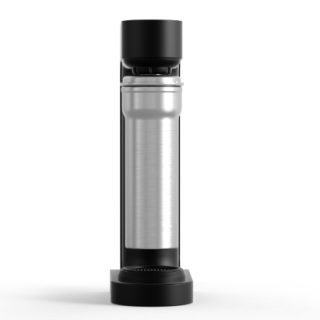
NEW GLASS SODA MAKER BEST CARBONATOR(GLASS BOTTLE) NEW ARRIVALS SODA STREAM MAKER HOUSEHOLD SPARKLING WATER MAKER WITH GLASS BOTTLE
Contact UsNEW GLASS SODA MAKER BEST CARBONATOR(GLASS BOTTLE) NEW ARRIVALS SODA STREAM MAKER HOUSEHOLD SPARKLING WATER MAKER WITH GLASS BOTTLE
-
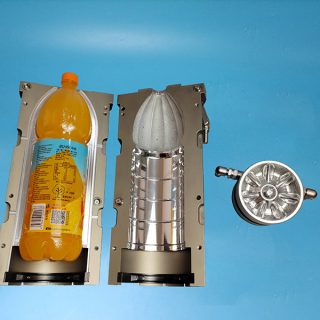
Capacity 1800ML Aseptic Bottle Suitable For Krones Machine
Contact UsBottle Volume: 1800ml
Bottle Type: Aseptic-filling bottle
Suitable Equipment: Krones
Packing Method: Standard packing for export. -

Oxygen Rich Side Blown Melt Melting Furnace
Contact UsThe oxygen rich side blown molten pool melting furnace is an efficient and energy-saving steel melting equipment. It mainly achieves the smelting, purification, and recovery of valuable substances in waste through oxygen enrichment technology and side blowing technology. Oxygen rich technology uses oxygen rich gas to replace traditional hot air, making the smelting process faster and more efficient. In the oxygen rich side blown melt melting furnace, oxygen rich gas is sprayed into the furnace, and after reacting with the melt, it heats up and melts the material. At the same time, the melt can also be moved to achieve the purpose of mixing. Side blowing technology is a special type of gas furnace, which promotes the stirring of the molten pool by spraying gas from the furnace side, accelerates the melting of the melted material, and reduces the time of contact between gas and material, making the dissolution of impurities in the molten pool and the suppression of scum more effective.
-

VMC 700 CNC Vertical Milling Center
Contact UsThe three axes are designed with direct drive,high inertia motor with large lead screw, three axes acceleration up to 1G, from standstill to 48m/min, just 0.2 seconds.Standard 21 servo tool changer.
Reviews
There are no reviews yet.